Respite Care in Assisted Living and Nursing Homes: What Families Should Know About Short-Term Senior Care
Business Name: BeeHive Homes of Albuquerque West
Address: 6000 Whiteman Dr NW, Albuquerque, NM 87120
Phone: (505) 302-1919
BeeHive Homes of Albuquerque West
At BeeHive Homes of Albuquerque West, New Mexico, we provide exceptional assisted living in a warm, home-like environment. Residents enjoy private, spacious rooms with ADA-approved bathrooms, delicious home-cooked meals served three times daily, and the benefits of a small, close-knit community. Our compassionate staff offers personalized care and assistance with daily activities, always prioritizing dignity and well-being. With engaging activities that promote health and happiness, BeeHive Homes creates a place where residents truly feel at home. Schedule a tour today and experience the difference.
6000 Whiteman Dr NW, Albuquerque, NM 87120
Business Hours
Families frequently reach out about respite care at a breaking point. A spouse has not slept through the night in months. An adult child is managing a full‑time task, parenting, and day-to-day visits to a parent who needs assist with practically everything. A fall, a hospitalization, or simply caretaker exhaustion lastly requires the concern: is there a safe place my loved one can stay for a short time while we regroup?
Respite care in assisted living and nursing homes exists specifically for these moments. Used well, it can support a tight spot, avoid burnout, and even enhance long‑term outcomes for both the older grownup and the main caretaker. Utilized improperly, it can feel hurried, confusing, and disruptive.
This is a comprehensive take a look at what families ought to understand before organizing short‑term senior care, with a concentrate on how respite works inside assisted living neighborhoods and skilled nursing facilities, and what trade‑offs to expect.
What respite care really implies in senior care
The term "respite care" just suggests short-lived care that provides the usual caretaker a break. In practice, it usually describes a brief stay in an assisted living neighborhood or a nursing home, in some cases called:
Respite stay.
Short‑term stay. Trial stay. Holiday stay. Post‑acute or rehabilitation stay (in nursing homes, frequently after a healthcare facility stay).The purpose is not just to "park" somebody. Great respite care intends to keep security, address medical or functional requirements, and supply structure, social contact, and some enjoyment while the family caregiver rests or deals with other urgent matters.
Most respite remains last from a few days to a couple of weeks. Some programs cap remains at 1 month, others are more versatile. I have seen families utilize respite yearly for prepared caregiver getaways, and others utilize it as a bridge while home care services are being organized or the home is being modified.
What respite care is not: a magic reset button or a way to repair long‑standing family dispute. It is a tool, one piece of the broader senior care tool kit, that works best when expectations are clear.
Why families turn to respite care
Caregivers hardly ever request assistance early. They tend to stretch up until something offers. By the time respite care turns up, there is often an urgent trigger. Common situations I see:
A spouse taking care of a partner with dementia has gone months with broken sleep and is starting to make mistakes, miss medications, or feel unsafe driving.
An adult kid is covering most hands‑on care after work and on weekends, while also raising kids. A week of service travel or a school vacation lastly makes the schedule impossible.A hospitalization results in release orders that are more intricate than in the past. The medical facility wants to send out the client home, but the household understands the home setup is not ready. A caretaker has surgery, covid, or another disease and can not safely provide transfers, toileting assistance, or constant supervision for a duration of time. Holidays or household crises extend everyone thin, and a short stay becomes the most sensible way to keep an older adult both safe and cared for.
Behind all of these is a basic reality: continual caregiving is work. Physically, emotionally, financially. Respite care acknowledges this truth and integrates in breathing space without deserting the older grownup's needs.
Types of respite: assisted living versus nursing home
Respite care in assisted living and respite care in a nursing home both provide short‑term stays, but they are developed on really different care models.
Assisted living is mostly a social and assistance model. Locals usually reside in apartment‑style systems, get help with daily activities such as bathing, dressing, and medications, and have access to meals, housekeeping, and activities. Nursing staff might be on website, however 24‑hour experienced nursing is not the primary design.
Nursing homes, or knowledgeable nursing facilities, work on a medical design. They have actually licensed nurses all the time, more scientific oversight, and the ability to handle complicated medical needs, such as wound care, IV medications, oxygen management, tracheostomies, or intensive rehabilitation therapies.
That difference in core function forms what respite looks like in each setting.
In assisted living, respite stays are best matched for older grownups who:
Need cueing or hands‑on aid with everyday activities.
Are generally clinically stable. Might have early to mid‑stage dementia, as long as they are not extremely resistive or vulnerable to roaming into unsafe areas. Do best in a home‑like, social setting rather than an institutional one.In a nursing home, respite care makes good sense for older adults who:
Have just been in the healthcare facility and still require rehab therapies.

The exact same individual might utilize each type at various points. I have worked with individuals who first used a nursing home stay after a hip fracture, then later on utilized respite in assisted living once they supported and no longer required constant medical care.
Key distinctions families notice
When households tour both types of neighborhoods, a few differences show up repeatedly. A succinct contrast assists set expectations.
Here is a short list of differences that frequently matter to households looking for respite care:
- Environment: Assisted living normally feels more like an apartment or hotel, with typical lounges and dining rooms. Nursing homes feel more clinical, with nursing stations, more devices, and shared rooms.
- Staff focus: Assisted living staff invest more time on social engagement and day-to-day living support. Nursing home groups focus more on medical tasks, rehabilitation, and medical stability.
- Typical roommate situation: Assisted living respite stays are more often in personal or semi‑private "guest" units. In nursing homes, shared rooms prevail, particularly if insurance coverage is paying.
- Activity design: Assisted living calendars highlight social activities, trips, and home entertainment. Nursing homes provide activities but require to accommodate people who are weaker or clinically fragile.
- Cost structure: Assisted living respite is typically personal pay, often at a day-to-day rate that consists of a service package. Nursing home stays may include Medicare or Medicaid protection under particular conditions, but private pay prevails when those do not apply.
Families must believe less in regards to "which is better" and more in terms of "which is the much safer and more appropriate match for my loved one's current needs."
What really happens during a respite stay
Short term senior care in a residential setting has its own rhythm. Understanding the flow can reduce anxiety for both the older adult and the family.
Admission starts with an evaluation. A nurse or care coordinator will evaluate medical history, existing medications, movement, continence, cognition, and diet plan requirements. Many communities need a current physical and TB test. This assessment drives the care strategy, so supplying precise detail matters, even if some details feels personal.
The very first day or 2 are usually about orientation. Personnel discover the resident's regimen: what time they normally awaken, early morning practices, how they prefer to bathe, what foods they dislike, whether they nap. Older grownups who have actually never ever lived in a senior neighborhood may feel disoriented at first. Simple things like labeling clothes, bringing a familiar pillow or framed images, and settling on a communication plan can alleviate the transition.
Daily life for respite homeowners normally mirrors long‑term residents. They consume meals in the dining room, join activities if they want, get assistance based on the care strategy, and have housekeeping and laundry handled by staff. In nursing homes, there might be physical, occupational, or speech treatment sessions scheduled numerous times a week if the stay is tied to rehabilitation.
Medical oversight throughout respite in assisted living is restricted to what that particular community offers. At a minimum, personnel deal with medication administration and display for apparent changes. Some neighborhoods have an on‑site nurse specialist who can resolve minor concerns. For significant medical modifications, families ought to expect that the resident may be sent to the emergency situation department, just as they would from home.
In nursing homes, medical oversight is more structured. There is 24‑hour nursing existence, regular physician or nurse practitioner rounds, and regular vital indication monitoring for those in rehab programs. Households need to still preserve contact, but they can usually presume a greater standard of clinical observation.
Communication patterns likewise vary by community. Some call households proactively, others only when there are changes. It helps to ask for a primary point of contact and settle on how often you will get updates.
How dementia affects respite care choices
Dementia alters the calculus. A cognitively healthy older adult may deal with respite care like a short hotel stay. A person with moderate or advanced dementia may experience it as a confusing disruption.
In assisted living, memory care systems sometimes use respite remain in safe, specialized wings. Staff are trained to deal with roaming, repeated concerns, and resistance to care. The environment is generally quieter, with easier cues to support orientation.
In nursing homes, respite for dementia frequently overlaps with the more comprehensive category of long‑term care. Some centers have protected units for residents who are at threat of elopement or have extreme behavioral symptoms.
Families ought to take notice of:
How the neighborhood deals with new citizens with dementia during the very first 72 hours.
Personnel consistency, because too many unknown faces can intensify agitation. Noise levels and environmental overstimulation. Approaches to medication, specifically making use of antipsychotics or sedatives.A short, improperly managed respite experience can sour an older grownup on the concept of senior care completely. Making the effort to find a dementia‑aware setting, even if it costs a bit more, typically settles later on if longer stays end up being necessary.
Costs, protection, and the great print
Money concerns come up early and frequently, and for excellent factor. Respite care sits at the crossway of healthcare and housing, and the monetary guidelines are messy.
In assisted living, respite stays are often personal pay. Daily rates vary widely by area and level of care, but it prevails to see figures such as:
Roughly 150 to 300 dollars per day in lower‑cost areas, in some cases more in high‑cost markets.
Greater rates for locals who need two‑person transfers, insulin management, or other additional care.Some neighborhoods require a minimum stay, for instance, 7 or 2 week, and might charge a one‑time community fee even for respite. Others waive that fee as a reward. A few reward respite as a trial period, crediting part of the expense toward the first month if the family decides to transform to long‑term residency.
Nursing home respite stays may include a mix of personal pay and insurance. Key points:
Medicare covers short‑term proficient nursing center care after a qualifying health center stay, however the rules are specific and not all respite remains fulfill requirements. When they do, coverage is usually aimed at rehabilitation, not simply caregiver relief.
Medicaid in some states funds short‑term nursing home respite for qualified people as part of home and community‑based waiver programs. The details depend upon state policy and waiting lists. Long‑term care insurance plan sometimes have explicit respite care advantages, often a set variety of days annually, payable in different settings.Families must request:
A written rate sheet that specifies the day-to-day rate, what it consists of, and what counts as "additional care."
Any nonrefundable fees, such as assessment charges, laundry charges, or medication management surcharges. Billing practices if insurance is included, particularly who submits the claims and what takes place if coverage is denied.I advise households to run a basic scenario analysis in composing. For instance, if Mom remains 10 days at 275 dollars per day plus a 300‑dollar one‑time cost, that is 3,050 dollars. If that same 10 days at a nursing home rehab unit would mostly be covered by Medicare after a certifying hospitalization, but the environment would be medically intense and less home‑like, is the trade‑off worth it? Drawing up those comparisons grounds decisions in real numbers rather of vague impressions.
A useful checklist before booking respite care
Arranging respite on short notification is common, but a little structure can avoid the errors that cause disappointments. The following list concentrates on what families can reasonably do, even if they only have a week.
- Confirm medical appropriateness: Ask your loved one's primary physician or health center discharge organizer whether assisted living level care is safe, or whether 24‑hour skilled nursing is necessary.
- Clarify goals: Choose whether the primary goal is caretaker rest, rehabilitation and strengthening for the older grownup, screening whether common living works, or a mix of these.
- Tour and observe: Visit a minimum of one assisted living and one nursing home if possible. Take notice of odors, staff interactions, resident engagement, and how respite visitors are housed.
- Pin down logistics: Inquire about minimum stay, daily rate, what is included, medication handling, going to hours, and what individual items to bring.
- Prepare your loved one: Frame the stay in favorable but truthful terms, such as "a short stay to get extra help and provide me an opportunity to recover from my surgical treatment," and include them in choosing familiar clothes, images, and convenience items.
Treat this checklist as a guide, not a stiff script. Households vary in what they can reasonably handle before a stay. The goal is to reduce avoidable surprises, not to produce a brand-new layer of pressure.
Common concerns and how to think about them
Caregivers typically sit with the exact same quiet worries, whether they voice them or not.
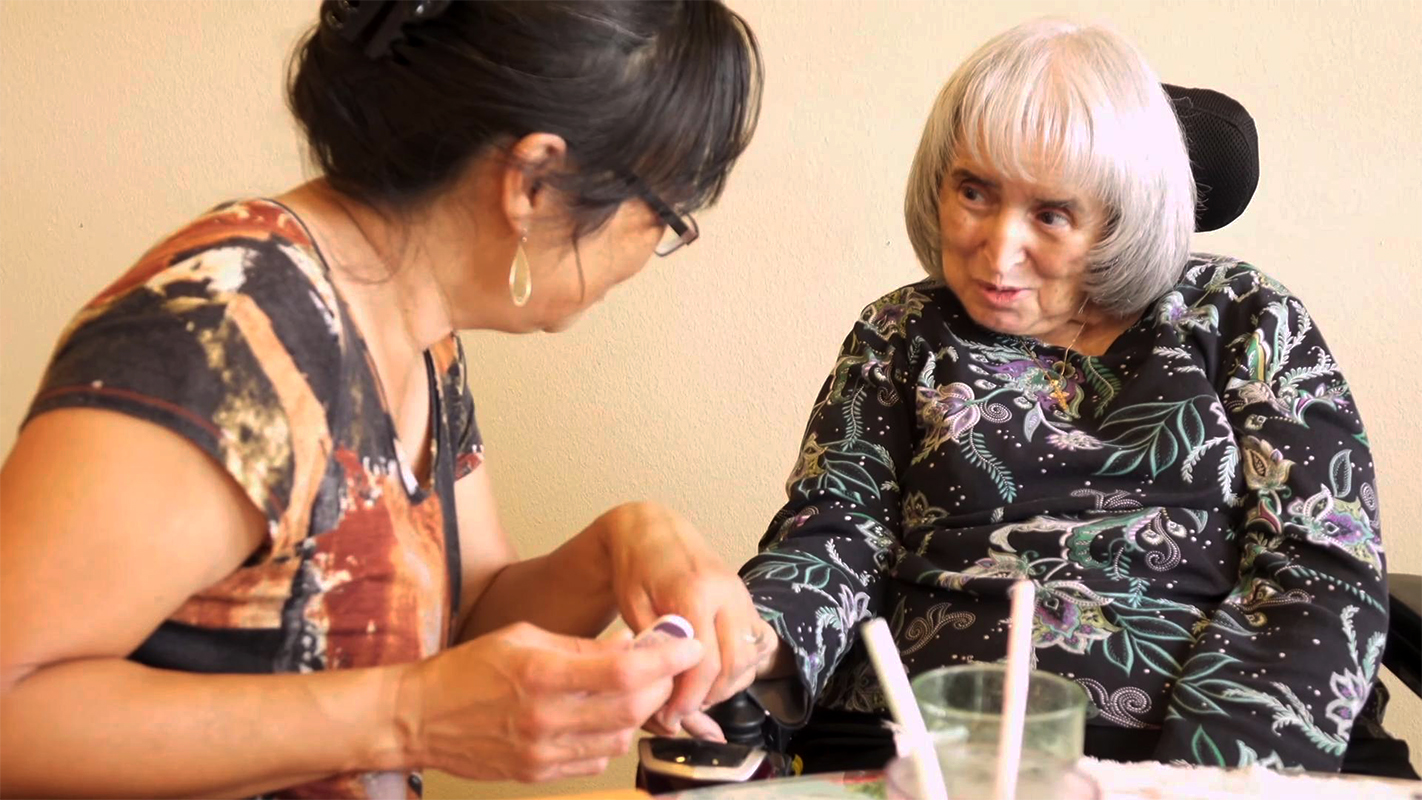
One regular concern is regret. "If I liked him enough, I would not need a break." I remind households that no one concerns pilots for stepping out of the cockpit to rest between flights. We comprehend fatigue affects security and judgment. Caregiving is no various. Rest legitimizes your function, it does not lessen it.
Another worry: "What if something bad occurs and I am not there?" Threat does not vanish due to the fact that someone remains in a facility. Falls, infections, and confusion can still occur. The pertinent concern is whether guidance and support are more powerful than what was realistically possible in your home. In many cases, specifically in the evening, the answer is yes.
Families also fear that a respite stay will become permanent positioning versus their will. Reputable communities do not lock households into long‑term contracts from a respite admission, though some will definitely recommend remaining if the match is excellent. The genuine risk is more psychological than legal: when caregivers experience a week of full nights of sleep, they might realize they can no longer safely resume the previous intensity of care. That is not a trap, it is insight.
Finally, older adults in some cases worry they are being "sent away." This is especially unpleasant when the older adult has actually long valued self-reliance. How you frame the stay matters. Highlighting concrete goals, such as "working with treatment to build strength," or "remaining somewhere safe while we get the restroom refurbished," appreciates their self-respect more than unclear reassurances.
Avoiding the most typical mistakes
Over time, specific patterns show up in respite stories that went poorly.
Families in some cases underreport needs during the evaluation, hoping to keep expenses lower or avoid frightening a community. The drawback is predictable: staff are unprepared, care plans are underpowered, and disputes arise. It is often much better to be candid about incontinence, behavioral episodes, or night wandering.
Another mistake is presuming that a beautiful building warranties great care. Marble lobbies and fresh paint do not transfer residents securely. Quiet observation informs you more. Do call lights call permanently? Are locals groomed and properly dressed? Do personnel greet residents by name or walk past them?
Some caretakers disappear entirely throughout a respite stay. While the point is to rest, it helps to preserve a cadence of check‑ins, even if by phone. This offers staff a resource for questions and assures the older adult. Brief visits, particularly early on, can decrease anxiety.
On the other side, hovering can likewise backfire. If relative question every decision in front of the older grownup or override personnel constantly, it produces confusion and undermines trust. A healthier balance is to raise issues independently, request routine updates, and provide the team area to carry out the care plan.
When respite becomes a path to longer‑term care
One underappreciated worth of respite care is as a low‑commitment test of communal living. Families typically say, "Mom would never ever agree to a nursing home" or "Dad might not manage assisted living." After a brief stay, they sometimes find:
The older adult really enjoys the social environment more than expected.
Staff notification safety concerns that were not obvious throughout fast household visits. Caretakers experience such relief that they reassess what is sustainable.In some cases, the older adult refuses to return home, particularly if home felt isolating. In others, the respite stay validates that home remains the very best setting, however with added assistances such as home health services or adult day programs.
A helpful workout after any respite stay is a brief, sincere debrief among family and, when appropriate, with the older grownup. Questions to ask:
Did this stay improve anybody's health, stress level, or functioning?
What elements were clearly favorable or plainly negative? If we needed help once again in 6 months, what would we do differently?Treat respite not simply as a pressure valve, however as data. It reveals how your loved one handles in a structured environment and how you, as caregivers, function with support.
Bringing it back to day‑to‑day senior care
Respite care in assisted living and nursing homes is one of the more flexible tools available in senior and elderly care. It can support a assisted living in albuquerque new mexico beehivehomes.com spouse who simply needs ten nights of unbroken sleep. It can provide an adult kid room to recuperate from surgery or satisfy a work dedication. It can support someone after a hospitalization till the best home assistances remain in place.
The secret is positioning. Align the setting with medical realities. Align costs with your budget plan and insurance possibilities. Line up expectations with what short‑term residential care can realistically provide.
Families that approach respite care with clear goals, truthful details, and a willingness to observe and find out tend to come away not just rested, but better equipped to navigate the next stages of aging. In a landscape where there are no best answers, that mix of relief and insight deserves an excellent deal.
BeeHive Homes of Albuquerque West provides assisted living care
BeeHive Homes of Albuquerque West provides memory care services
BeeHive Homes of Albuquerque West provides respite care services
BeeHive Homes of Albuquerque West offers support from professional caregivers
BeeHive Homes of Albuquerque West offers private bedrooms with private bathrooms
BeeHive Homes of Albuquerque West provides medication monitoring and documentation
BeeHive Homes of Albuquerque West serves dietitian-approved meals
BeeHive Homes of Albuquerque West provides housekeeping services
BeeHive Homes of Albuquerque West provides laundry services
BeeHive Homes of Albuquerque West offers community dining and social engagement activities
BeeHive Homes of Albuquerque West features life enrichment activities
BeeHive Homes of Albuquerque West supports personal care assistance during meals and daily routines
BeeHive Homes of Albuquerque West promotes frequent physical and mental exercise opportunities
BeeHive Homes of Albuquerque West provides a home-like residential environment
BeeHive Homes of Albuquerque West creates customized care plans as residents’ needs change
BeeHive Homes of Albuquerque West assesses individual resident care needs
BeeHive Homes of Albuquerque West accepts private pay and long-term care insurance
BeeHive Homes of Albuquerque West assists qualified veterans with Aid and Attendance benefits
BeeHive Homes of Albuquerque West encourages meaningful resident-to-staff relationships
BeeHive Homes of Albuquerque West delivers compassionate, attentive senior care focused on dignity and comfort
BeeHive Homes of Albuquerque West has a phone number of (505) 302-1919
BeeHive Homes of Albuquerque West has an address of 6000 Whiteman Dr NW, Albuquerque, NM 87120
BeeHive Homes of Albuquerque West has a website https://beehivehomes.com/locations/albuquerque-west/
BeeHive Homes of Albuquerque West has Google Maps listing https://maps.app.goo.gl/R1bEL8jYMtgheUH96
BeeHive Homes of Albuquerque West has Facebook page https://www.facebook.com/BeehiveABQW/
BeeHive Homes of Albuquerque West won Top Assisted Living Homes 2025
BeeHive Homes of Albuquerque West earned Best Customer Service Award 2024
BeeHive Homes of Albuquerque West placed 1st for Senior Living Communities 2025
People Also Ask about BeeHive Homes of Albuquerque West
What is BeeHive Homes of Albuquerque West monthly room rate?
Our base rate is $6,900 per month, but the rate each resident pays depends on the level of care that is needed. We do an initial evaluation for each potential resident to determine the level of care needed. The monthly rate is based on this evaluation. We also charge a one-time community fee of $2,000.
Can residents stay in BeeHive Homes of Albuquerque West until the end of their life?
Usually yes. There are exceptions, such as when there are safety issues with the resident, or they need 24 hour skilled nursing services.
Does Medicare or Medicaid pay for a stay at Bee Hive Homes?
Medicare pays for hospital and nursing home stays, but does not pay for assisted living as a covered benefit. Some assisted living facilities are Medicaid providers but we are not. We do accept private pay, long-term care insurance, and we can assist qualified Veterans with approval for the Aid and Attendance program.
Do we have a nurse on staff?
We do have a nurse on contract who is available as a resource to our staff but our residents' needs do not require a nurse on-site. We always have trained caregivers in the home and awake around the clock.
Do we allow pets at Bee Hive?
Yes, we allow small pets as long as the resident is able to care for them. State regulations require that we have evidence of current immunizations for any required shots.
Do we have a pharmacy that fills prescriptions?
We do have a relationship with an excellent pharmacy that is able to deliver to us and packages most medications in punch-cards, which improves storage and safety. We can work with any pharmacy you choose but do highly recommend our institutional pharmacy partner.
Do we offer medication administration?
Our caregivers are trained in assisting with medication administration. They assist the residents in getting the right medications at the right times, and we store all medications securely. In some situations we can assist a diabetic resident to self-administer insulin injections. We also have the services of a pharmacist for regular medication reviews to ensure our residents are getting the most appropriate medications for their needs.
Where is BeeHive Homes of Albuquerque West located?
BeeHive Homes of Albuquerque West is conveniently located at 6000 Whiteman Dr NW, Albuquerque, NM 87120. You can easily find directions on Google Maps or call at (505) 302-1919 Monday through Sunday 10am to 7pm
How can I contact BeeHive Homes of Albuquerque West?
You can contact BeeHive Homes of Albuquerque West by phone at: (505) 302-1919, visit their website at https://beehivehomes.com/locations/albuquerque-west, or connect on social media via Facebook
You might take a short drive to Los Cuates. Los Cuates Restaurant provides a welcoming, casual dining experience well suited for residents in assisted living, memory care, senior care, elderly care, and respite care.